


Why appearance alone is no longer proof.
Three industry shifts have changed how vehicle photos are used. AI can now generate or alter highly realistic vehicle imagery. Consumers increasingly make buying decisions from digital listings. And AI systems now evaluate vehicle photos before many people ever see them. When trusted provenance is missing, inaccurate or misleading imagery can spread quickly across marketplaces, search engines, and automated decision systems.

AI Image Editing
AI can now generate or modify vehicle imagery that is increasingly difficult to distinguish from authentic photos.
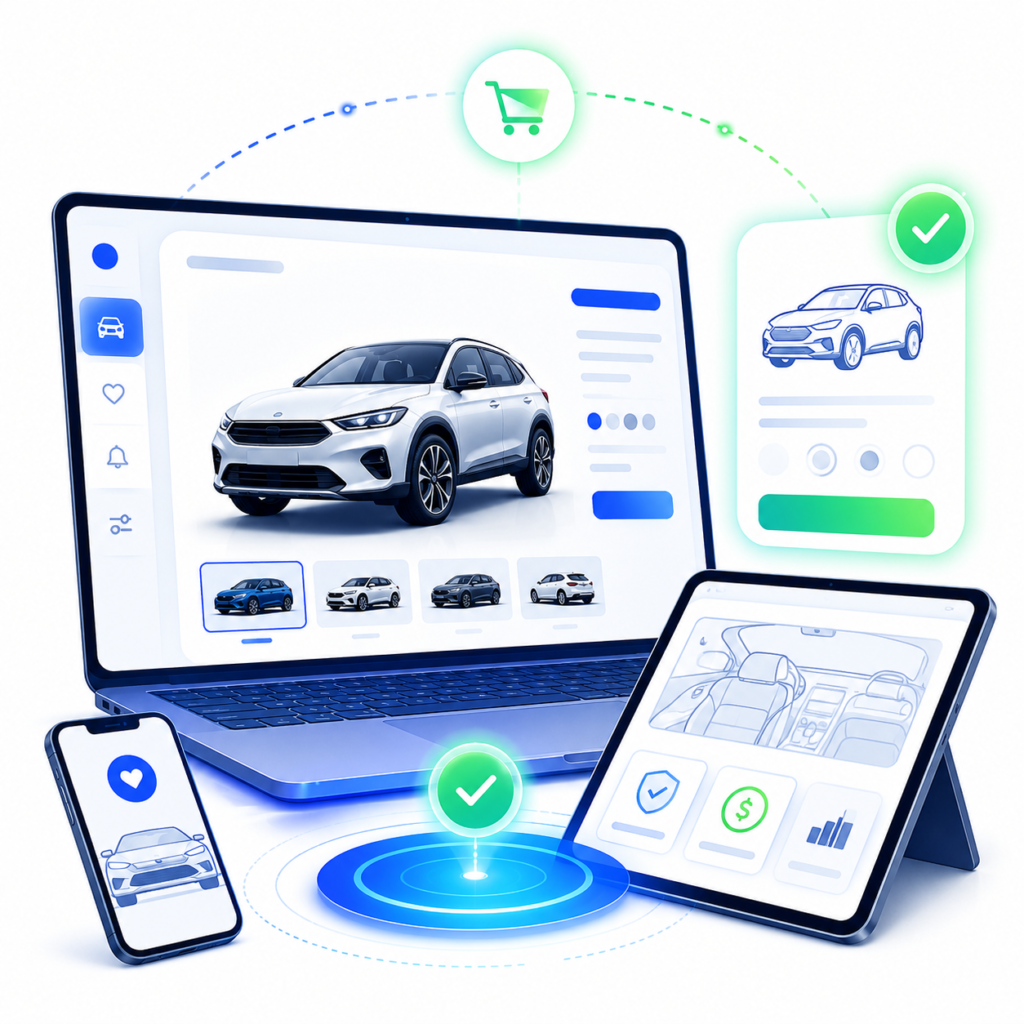
Digital Retail
Vehicle photos have become one of the primary signals consumers use to evaluate inventory online.
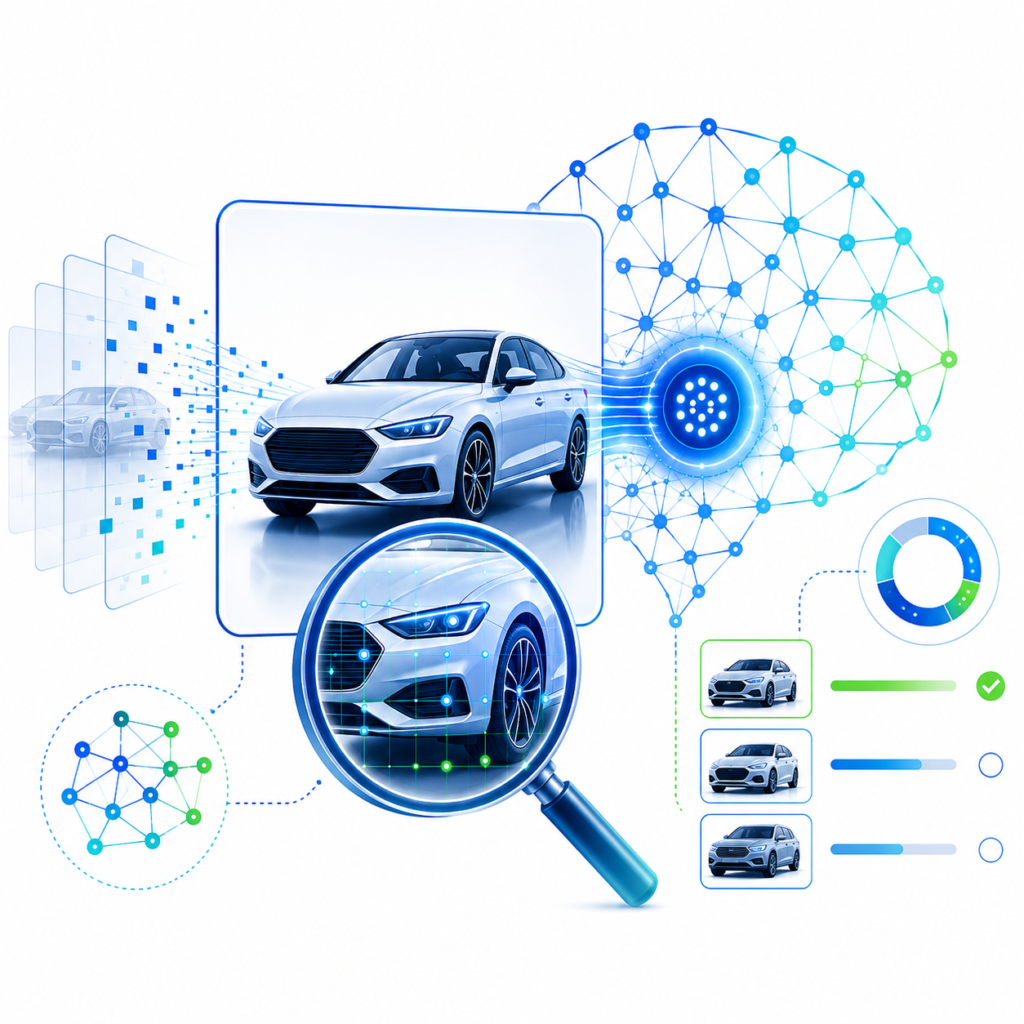
AI-Driven Interpretation
Search engines, marketplaces, and AI systems increasingly analyze vehicle imagery automatically before making recommendations or decisions.
The LotLenz Verification Framework
LotLenz independently verifies each image, securely connects it to the correct VIN, evaluates its authenticity, and publishes a persistent, machine-readable verification record. The result is more than a verified photo. It is a trusted digital asset that consumers, marketplaces, insurers, lenders, enterprise platforms, and AI systems can independently verify and use with confidence.

Tied to a Specific VIN
A photo cannot be silently reused across unrelated listings, vehicles, or sellers.
Evaluated Through Independent Checks
Multiple signals assess whether the image reflects a real vehicle and trusted provenance.

Assigned a Persistent Verification State
A durable status travels with the record, not a one-time stamp that disappears downstream.
Logged in a Machine-Readable Record
The verification record can be read by both people and automated systems.
Two Outputs. One Verification Record.
A single LotLenz verification serves two audiences.
For people, it provides a clear, easy-to-understand verification report that builds confidence in the authenticity of a vehicle’s imagery.
For platforms, marketplaces, insurers, lenders, and AI systems, it publishes a structured, machine-readable verification record that can be consumed automatically through secure APIs and Model Context Protocol (MCP).
One verification. Two consumers. One trusted source of truth.
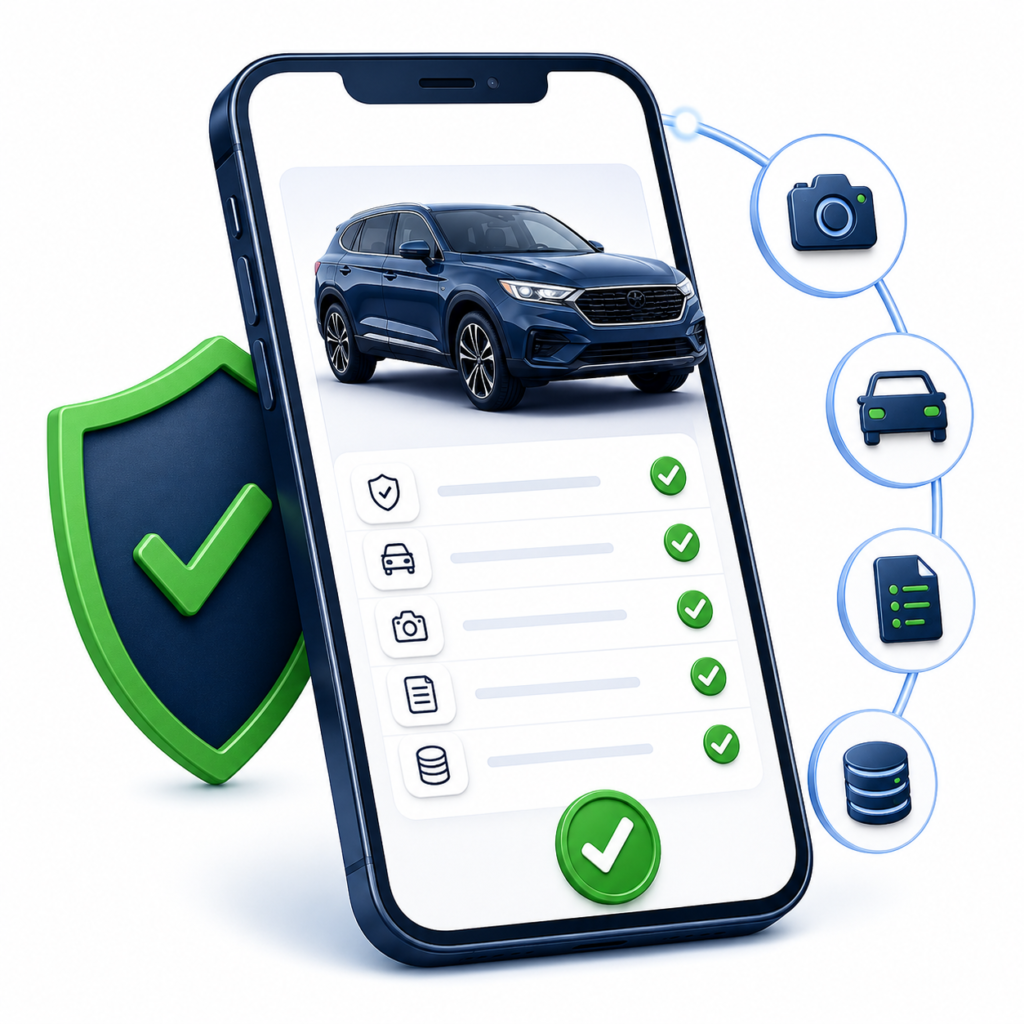
Consumer Trust
Consumers receive a clear verification report confirming that the vehicle imagery has been independently verified and connected to the correct VIN.
View a Sample Report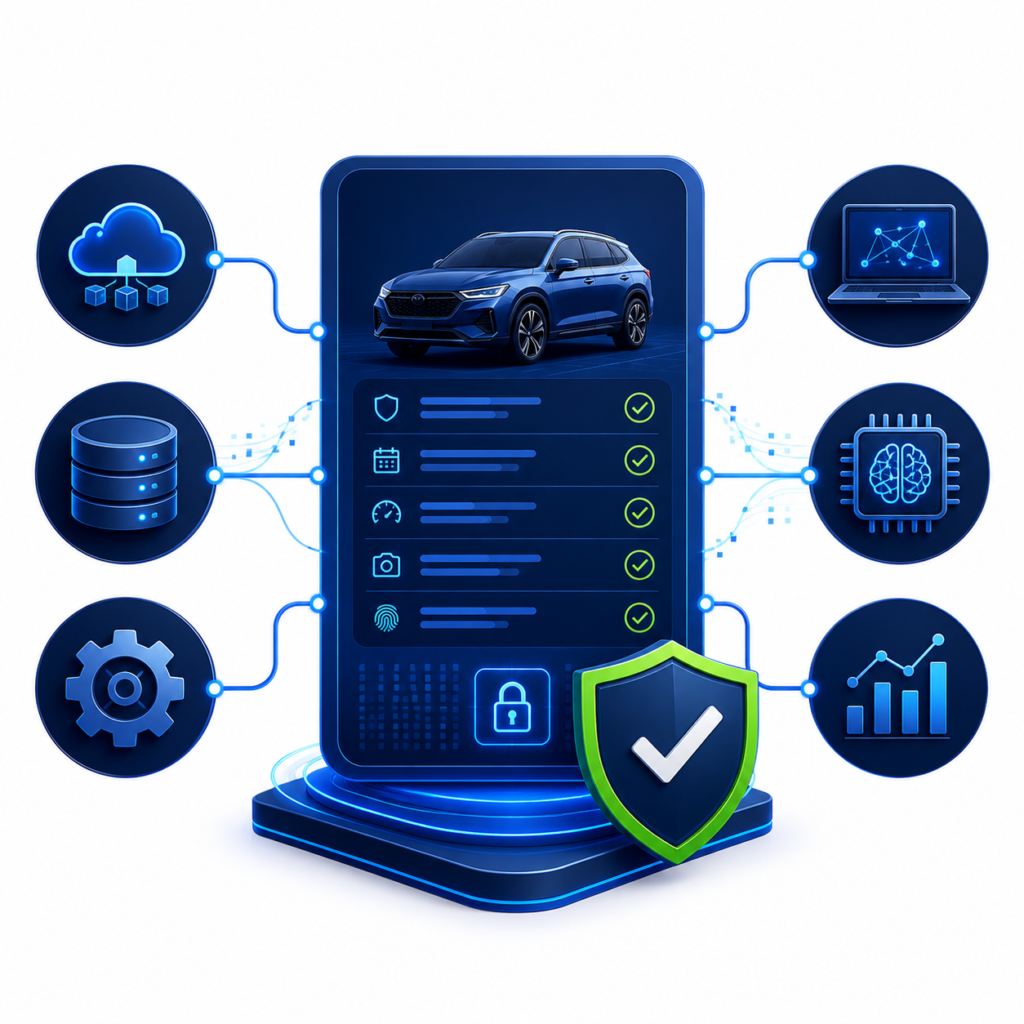
Machine Trust
Behind every consumer report is a machine-readable verification record that platforms, marketplaces, insurers, lenders, enterprise applications, and AI systems can consume automatically through secure APIs and MCP.
Talk to us about integrationTIPV measures verification activity, not shopper activity.
Traditional automotive analytics measure what shoppers do.
TIPV™ (Trust Interactions per VIN™) measures something fundamentally different, how often verified vehicle records are requested, referenced, and consumed by platforms, marketplaces, enterprise systems, and AI.
As AI increasingly participates in vehicle discovery, comparison, and decision making, verification activity becomes a measurable indicator of digital trust.
Unlike VDP views, clicks, or lead submissions, TIPV measures confidence in the vehicle record itself.
Over time, TIPV can provide OEMs, marketplaces, insurers, lenders, and enterprise partners with new insight into how trusted vehicle imagery is being consumed across the automotive ecosystem.
VDP Views
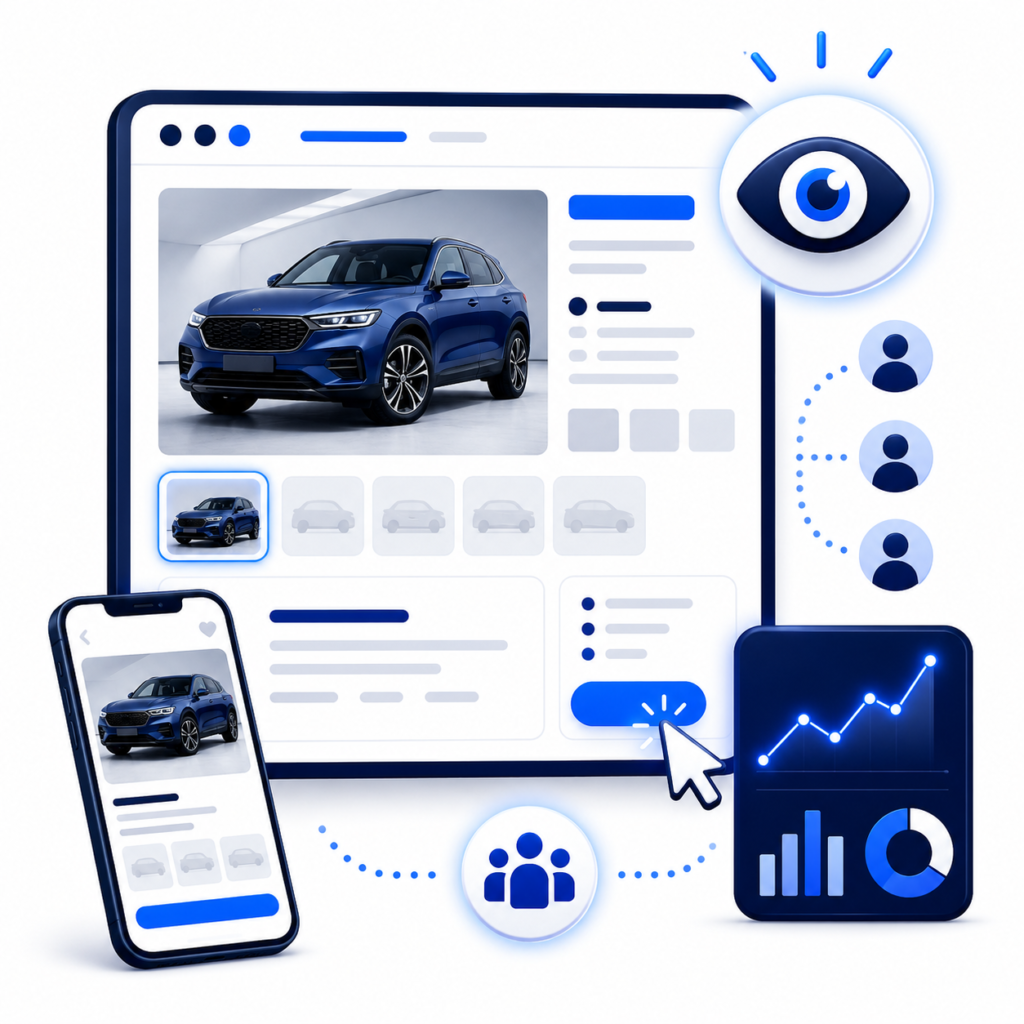
Shopper Activity
Measures human engagement with a vehicle listing.
TIPV
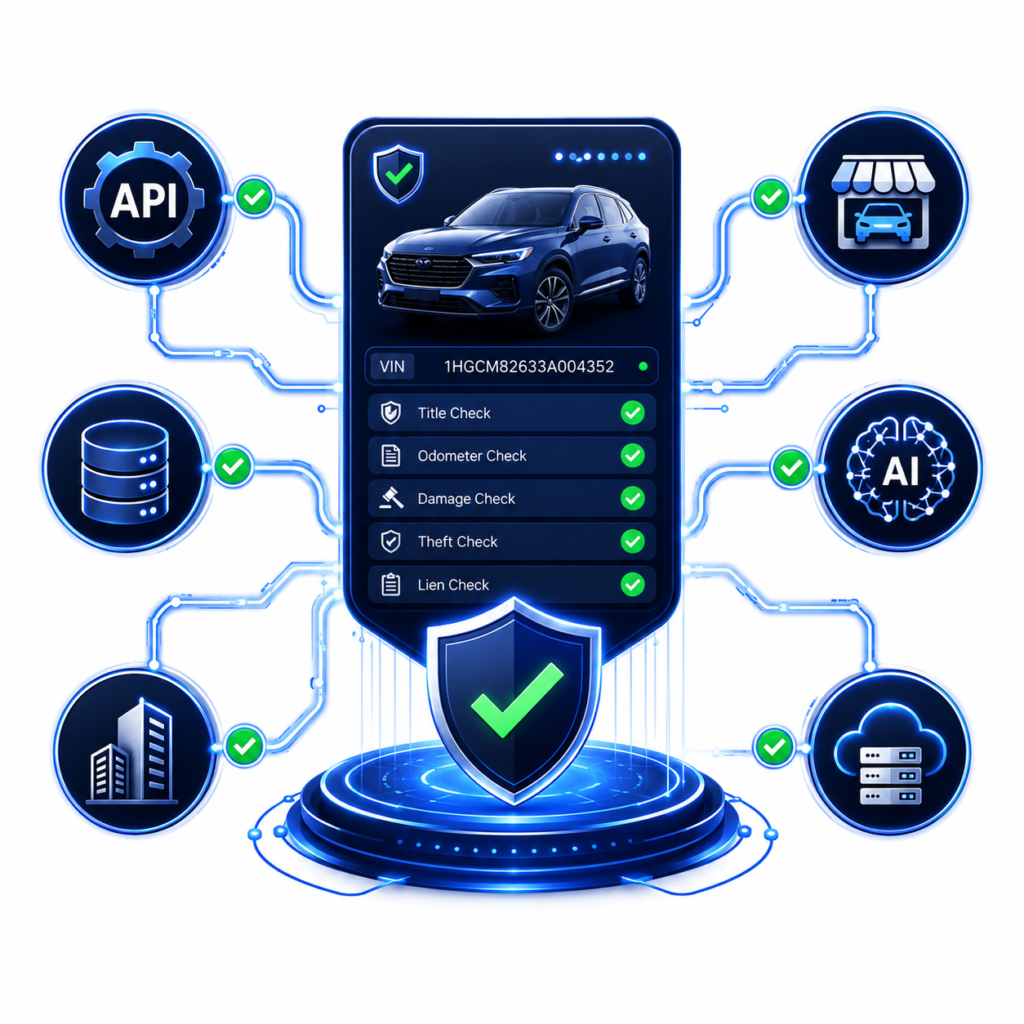
Verification Activity (TIPV™)
Measures machine and platform engagement with a vehicle’s trusted verification record.

Build trusted vehicle imagery into your platform.
LotLenz is designed for marketplaces, insurers, lenders, AI systems, and enterprise platforms that need machine-readable vehicle verification at scale.