


Marketplaces run on trusted inventory data.
Vehicle photos now influence search results, listing quality, fraud detection, pricing confidence, AI recommendations, and buyer trust.
But most marketplace image pipelines were not built to prove whether a photo is authentic, current, connected to the correct VIN, or supported by trusted capture context.
As marketplaces and AI systems evaluate more vehicle imagery automatically, unverified photos become more than a listing issue. They become a platform-level trust risk.
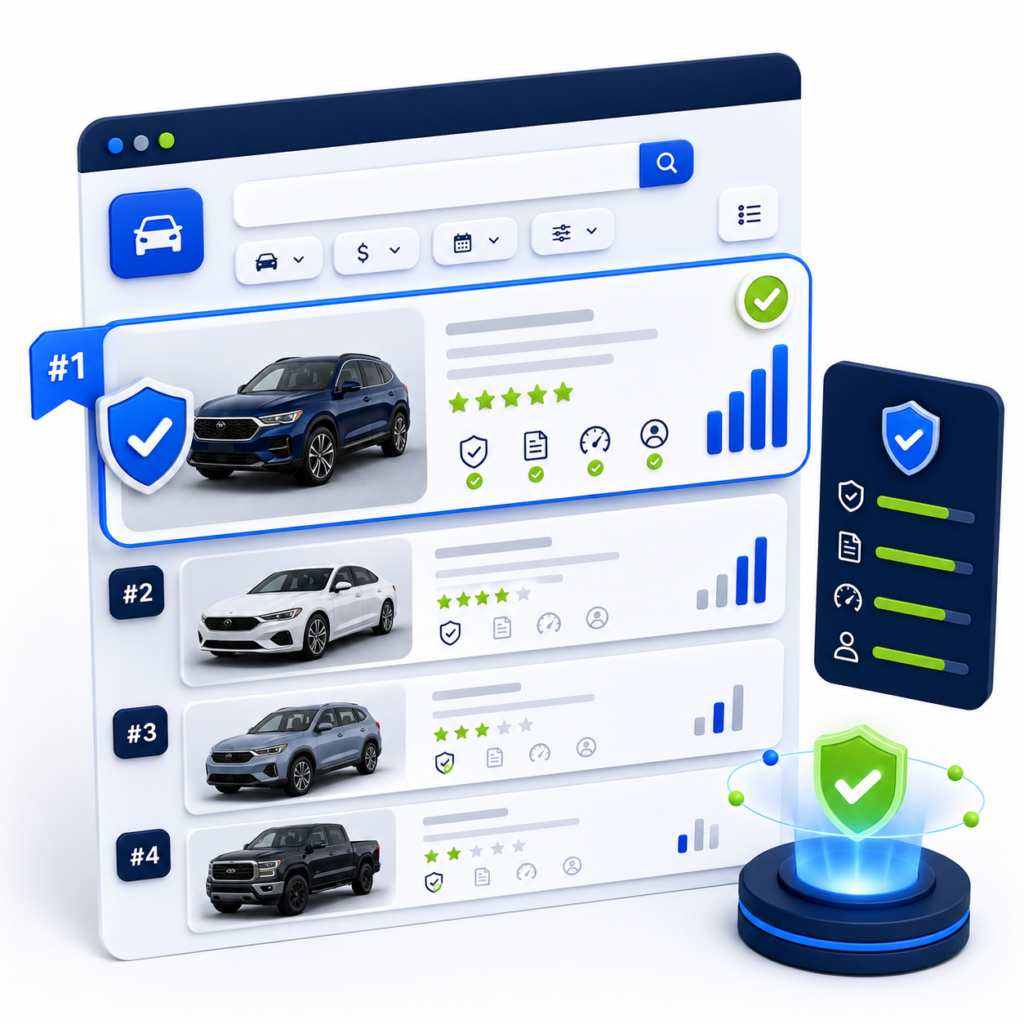
Ranking Integrity
Verified imagery helps marketplaces strengthen the trust signals used to sort, surface, and recommend inventory.
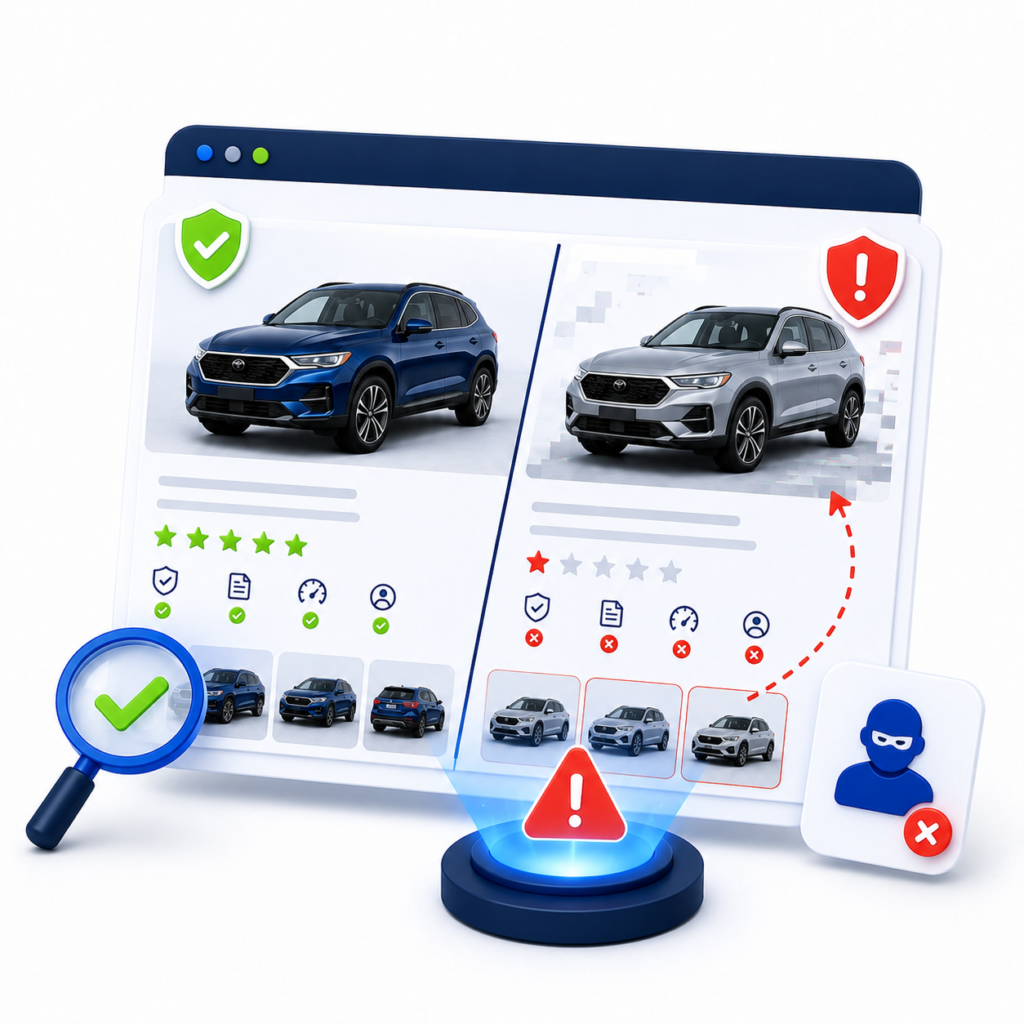
Fraud & Misrepresentation
VIN-level verification helps identify reused, altered, or mismatched imagery before it damages buyer confidence.
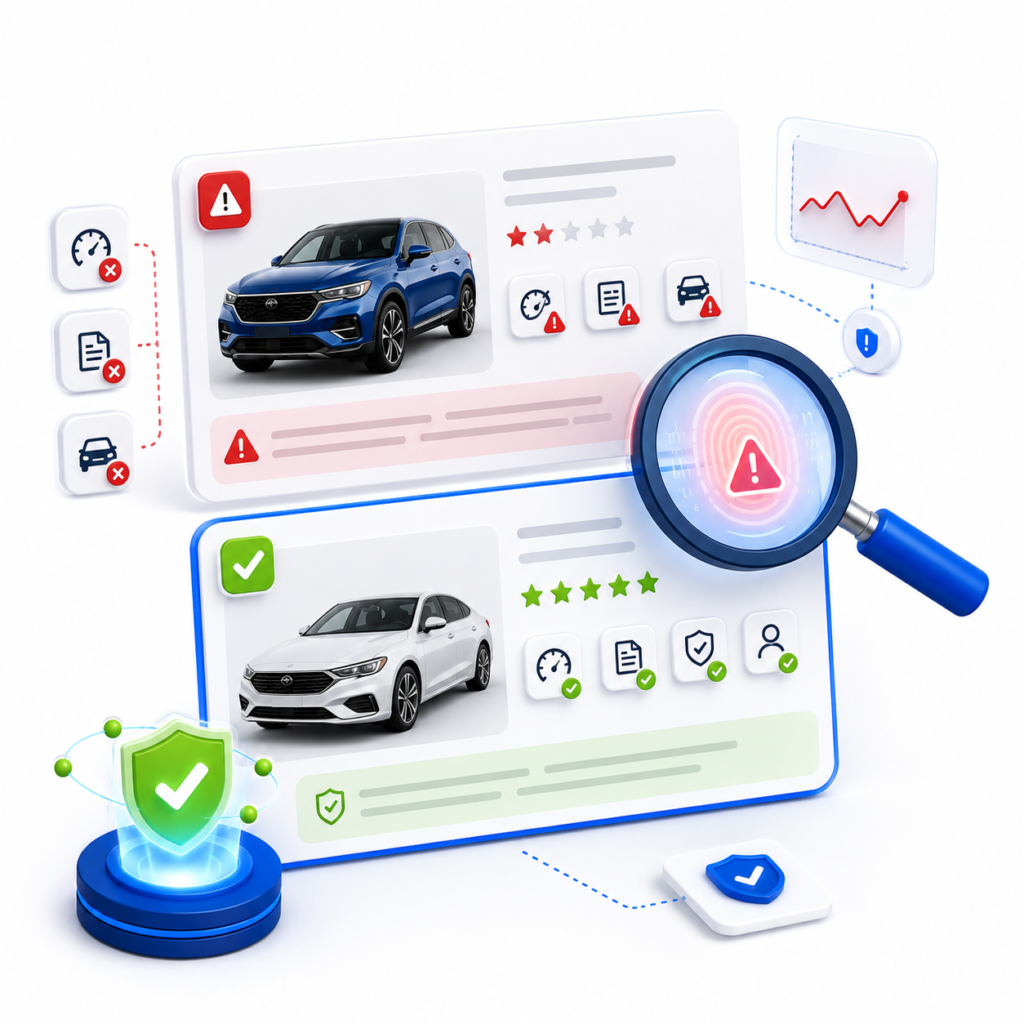
Listing Quality at Scale
Machine-readable verification records give platforms consistent trust signals across large inventory networks.
VIN-level verification built for marketplace workflows.
LotLenz adds an independent trust layer to vehicle imagery, giving marketplaces and platforms structured verification records they can use across listing quality, fraud detection, ranking, AI analysis, and partner workflows.
Each verified record can confirm whether a vehicle photo is connected to the correct VIN, evaluated for authenticity, assigned a persistent verification status, and made available as machine-readable data for downstream systems.

VIN-Level Verification
Tie image trust to the correct vehicle record.

Structured Authenticity Data
Deliver verification signals in a format platforms and automated systems can consume.

Persistent Verification State
Preserve trust status as inventory moves across systems.
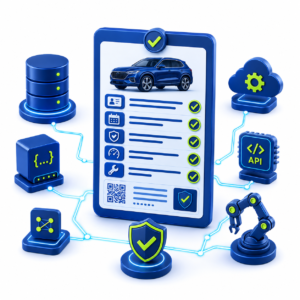
Marketplace-Ready Integration
Support platform workflows through secure integration paths.
Where marketplaces can use LotLenz signals.
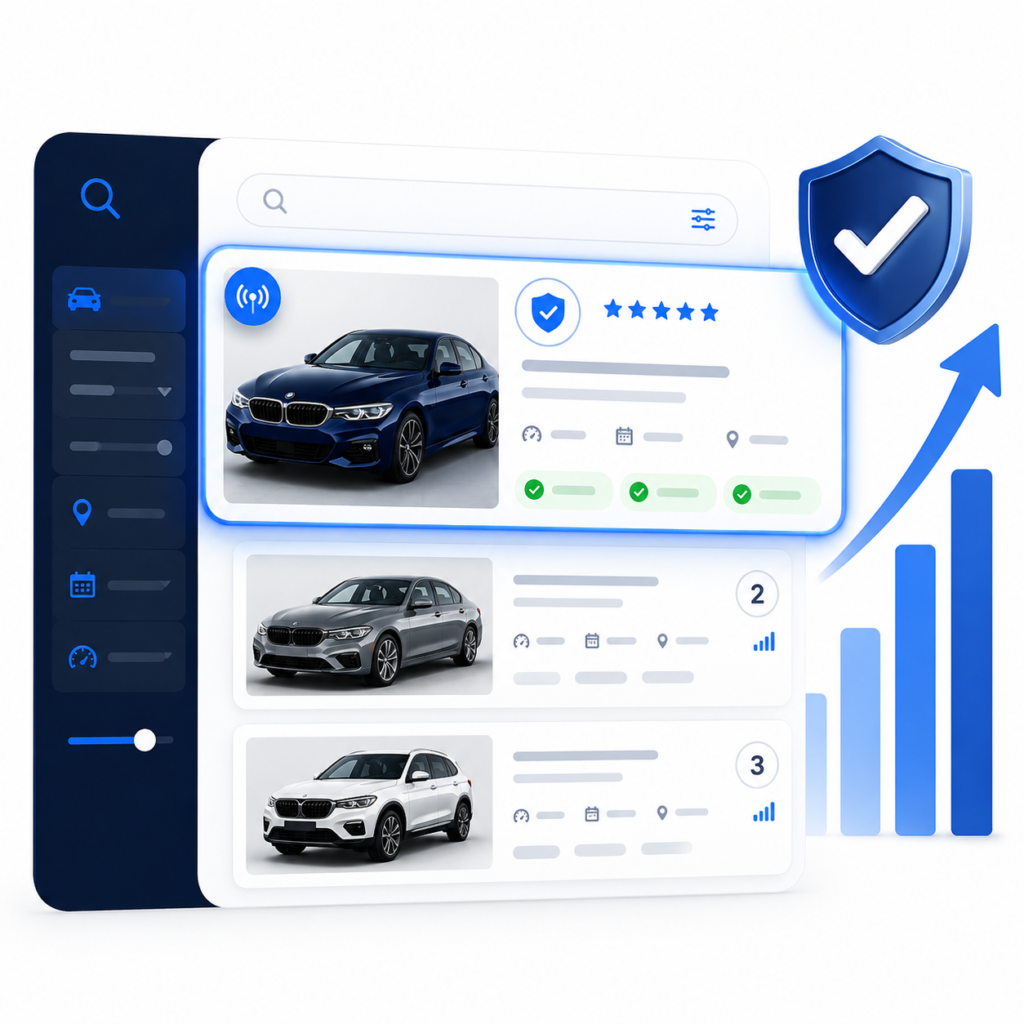
Search & Ranking
Give verified imagery a stronger trust signal in listing quality models.

Fraud Detection
Flag mismatched, reused, or suspicious imagery before it affects buyer trust.
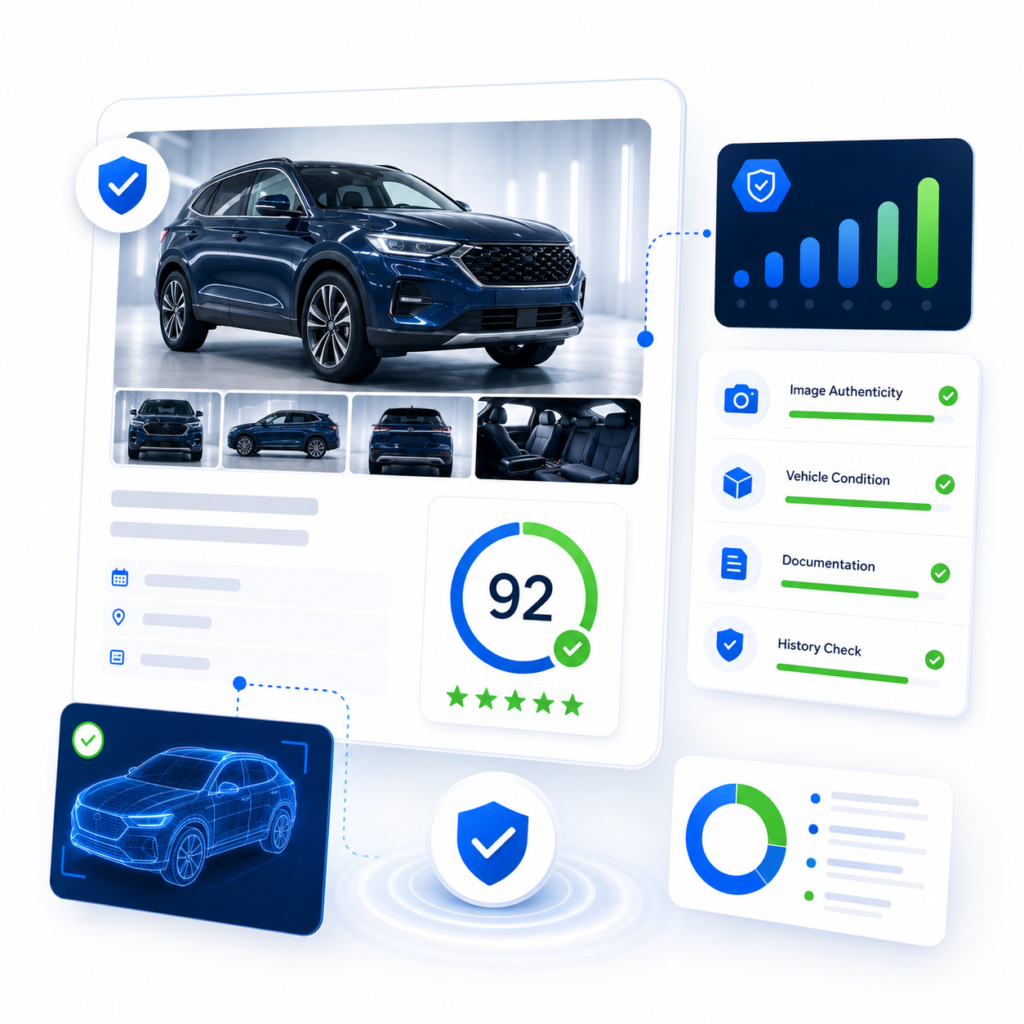
Listing Quality Scores
Add authenticity as a measurable component of inventory quality.

AI Inventory Analysis
Help automated systems distinguish trusted visual inputs from uncertain ones.

Buyer Confidence
Surface verification cues that help shoppers trust what they are viewing.
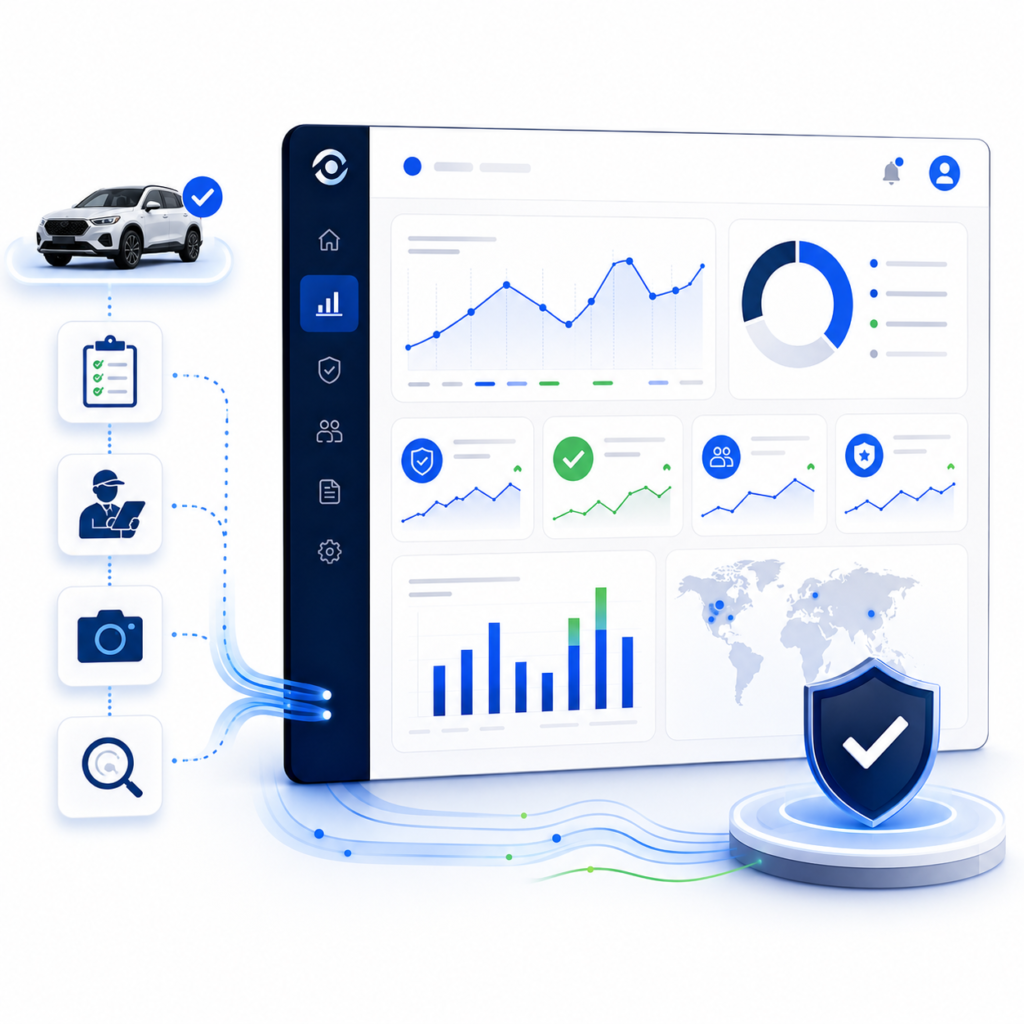
Partner Reporting
Track verification activity through TIPV and related trust metrics.
Traditional analytics measure attention. TIPV measures trust.
VDP views, clicks, and leads measure shopper interest in a vehicle listing.
TIPV™ — Trust Interactions per VIN™ — measures something different: how often a vehicle’s verified authenticity record is requested, referenced, or consumed by marketplace systems, partners, AI workflows, and platform integrations.
As AI systems play a larger role in search, ranking, fraud detection, and vehicle recommendations, verification activity becomes a measurable trust signal tied directly to the VIN.
VDP Views
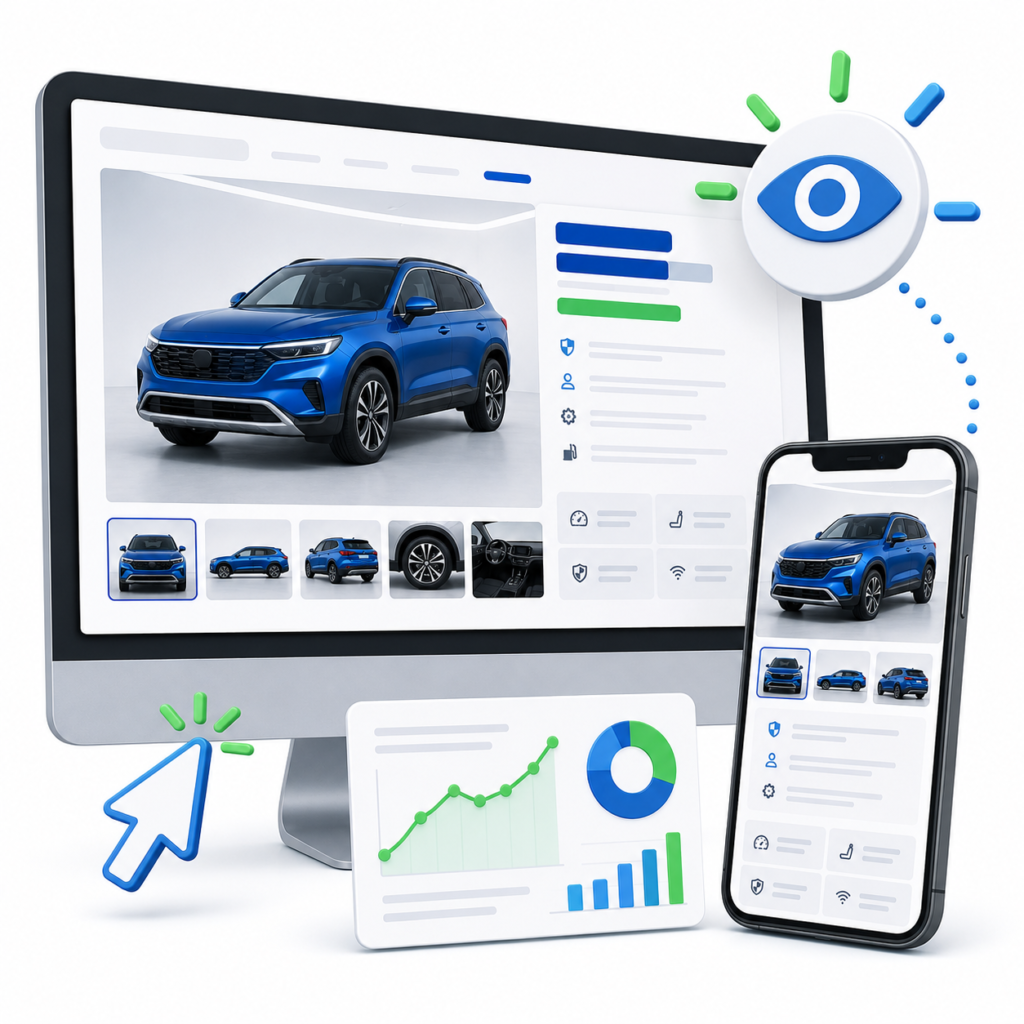
Shopper Activity
Measures human-driven attention to a vehicle listing.
Examples:
• VDP views
• Clicks
• Leads
TIPV

TIPV™
Verification Activity
Measures system-driven engagement with a vehicle’s verified authenticity record.
Examples:
• API requests
• AI queries
• Marketplace verification checks
• Partner workflow references

Bring verified imagery into your marketplace.
LotLenz is built for platforms that need trusted vehicle imagery at scale, from listing quality and fraud detection to AI-driven marketplace workflows.